SKIP IT
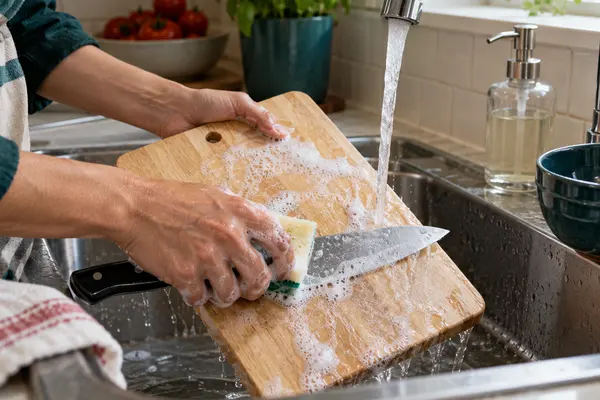
Rinsing raw chicken
Water splashes bacteria onto the sink, worktop and nearby food. Thorough cooking is what kills them.
See the experiment doodlekitchen
Start
KITCHEN HYGIENE, BY THE EVIDENCE
Some kitchen habits that feel careful do the opposite.

Rinsing raw chicken looks thorough but splashes bacteria around the sink. A sponge that smells fine can hold billions of microbes. Here is what food safety agencies and researchers have found, in plain English.
Plain English, with the sources linked.
COOK ITdon't rinse it
Check your kitchen habitsKeep in mind
THE SHORT ANSWER
Most food poisoning in the UK traces back to one bug,
and raw poultry is its usual route in.
SKIP IT
Water splashes bacteria onto the sink, worktop and nearby food. Thorough cooking is what kills them.
See the experimentDO IT
After raw chicken, soap and warm water for your hands, and a proper wash for the board, knife and worktop.
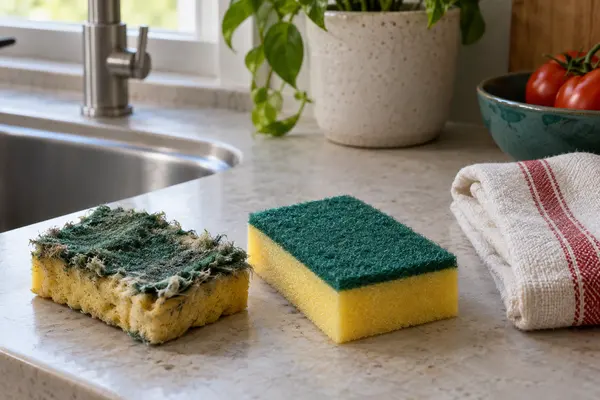
Four habitsRETHINK IT
Used sponges can be densely packed with bacteria, and regular sanitising did not clear the main groups.
Kitchen factsA QUICK HABIT CHECK
Pick a common kitchen habit. Each answer summarises guidance from Food Standards Scotland, the Public Health Agency in Northern Ireland, or a published study.
This is a summary of public guidance, not personal advice. Follow the linked sources for the full wording.
TWO STUDIES WORTH KNOWING
What happens in a real kitchen sink
is messier than it looks.
26%
Washers who spread bacteria to their salad
In a US Department of Agriculture kitchen study, 60% of people who washed raw poultry had bacteria in the sink afterwards, 14% still did after trying to clean the sink, and 26% transferred bacteria to their salad lettuce.
RINSING RAW POULTRY · USDA 2019
54 billion
Bacteria per cubic centimetre, at the densest spots
Researchers who examined used kitchen sponges under the microscope found local densities of up to 5.4 × 10¹⁰ cells per cubic centimetre, and five of the ten most common groups were related to species that can cause illness.
USED SPONGES · 2017
Both findings run against intuition. Rinsing and scrubbing feel like cleaning, but water spreads bacteria and a sponge can become their home.
TRY IT TONIGHT
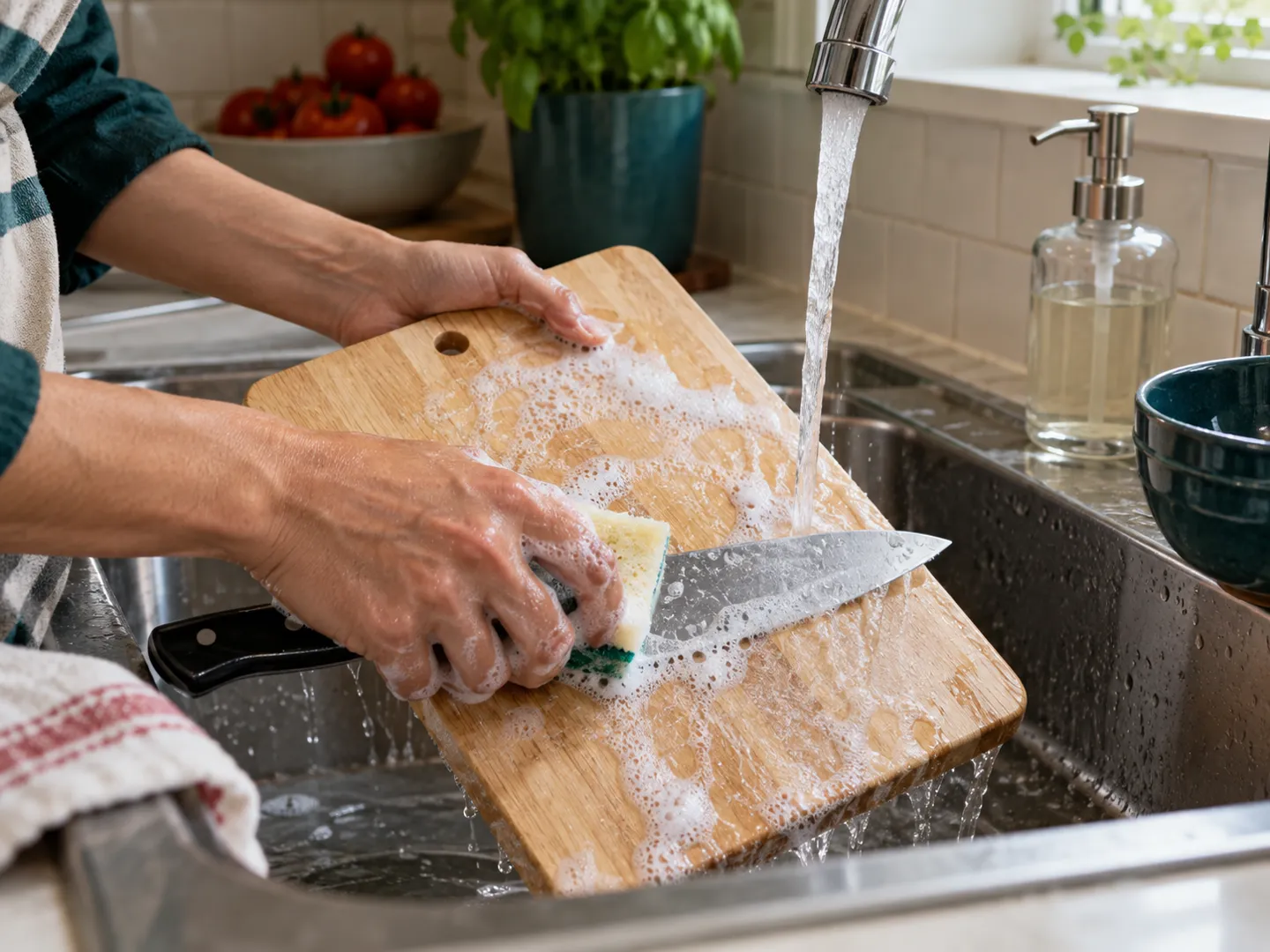
Step 1
Skip the rinse. Splashing water spreads campylobacter; cooking it thoroughly is what kills it.
Step 2
Soap and warm water, thoroughly, after handling raw chicken and before touching anything else.
Step 3
Thoroughly wash every utensil, chopping board and surface used for raw chicken before using them again.
Step 4
Chicken should be steaming hot all the way through, with no pink meat and juices that run clear.
KITCHEN FACTS
The Food Standards Agency estimates around 2.4 million cases of foodborne illness in the UK each year.
Campylobacter is the most common cause of food poisoning in the UK, and about four in five cases come from contaminated poultry, says Food Standards Scotland.
Northern Ireland's Public Health Agency says campylobacter causes more cases of food poisoning than E. coli, listeria and salmonella put together.
Food Standards Agency research from 2012 found that more than a third of consumers always wash raw poultry, despite the advice not to.
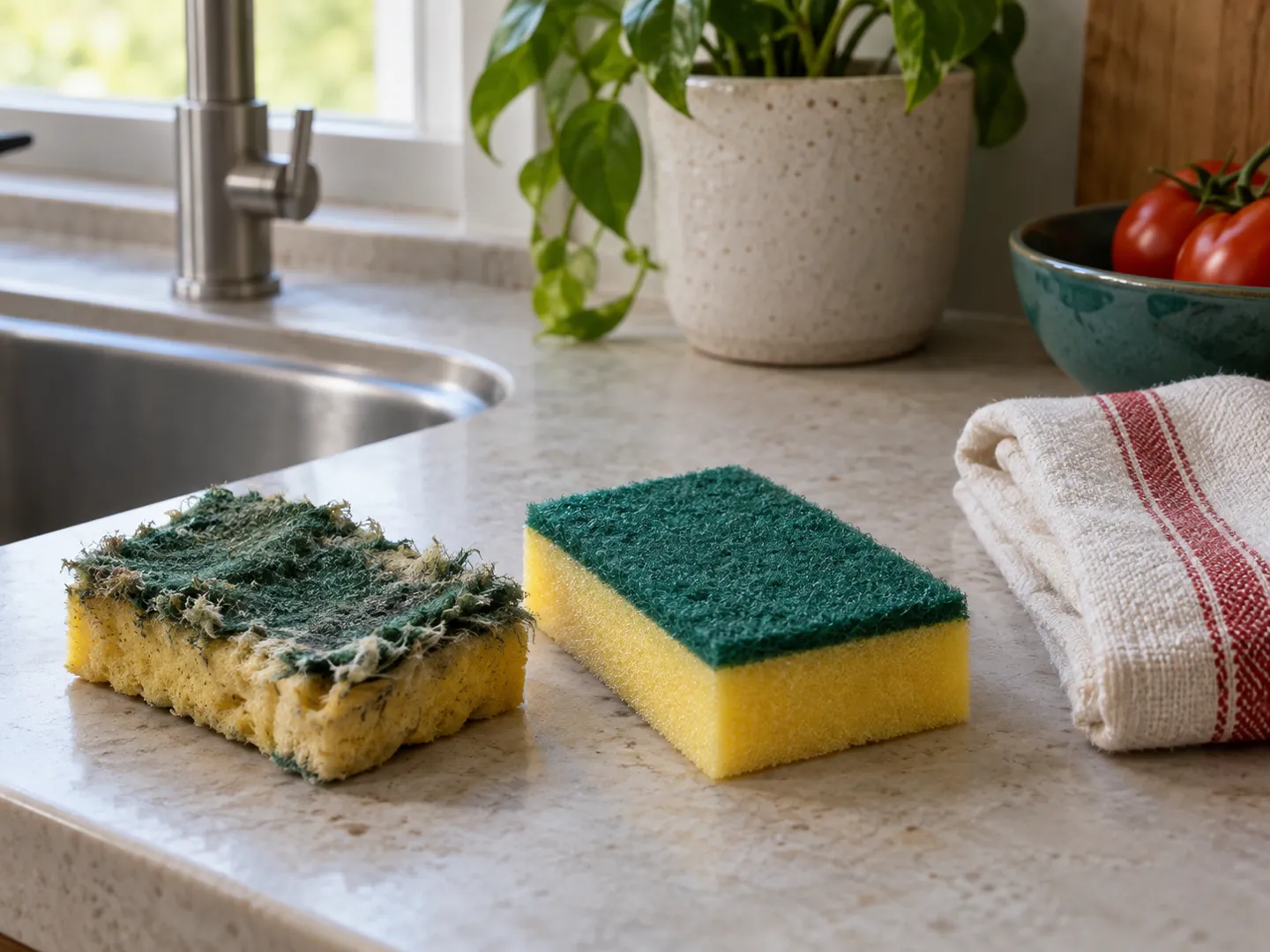
In the 2017 sponge study, two of the dominant bacterial groups made up a larger share in regularly sanitised sponges, and the authors questioned such methods in the long term.
QUICK QUESTIONS
Short answers to the questions people ask most.
No. Food Standards Scotland and the Public Health Agency in Northern Ireland both advise against it, because splashing water can spread campylobacter onto your hands, worktops and other food. Cooking chicken thoroughly is what kills the bacteria.
Campylobacter. Food Standards Scotland calls it the most common cause of food poisoning in the UK, and says about four in five cases come from contaminated poultry.
The Food Standards Agency estimates around 2.4 million cases of foodborne illness in the UK each year.
Not necessarily. A 2017 study of used kitchen sponges in Scientific Reports found that two of the dominant bacterial groups made up a larger share in sponges that were regularly sanitised, and the authors questioned such sanitation methods in the long term.
The Public Health Agency advises making sure chicken is steaming hot all the way through. Cut into the thickest part to check there is no pink meat and that the juices run clear.
Destination
Updated
A NAME WITH A WARM WELCOME
doodlekitchen.com is part of the DoodleSale portfolio. Check the current listing and available purchase or lease options.